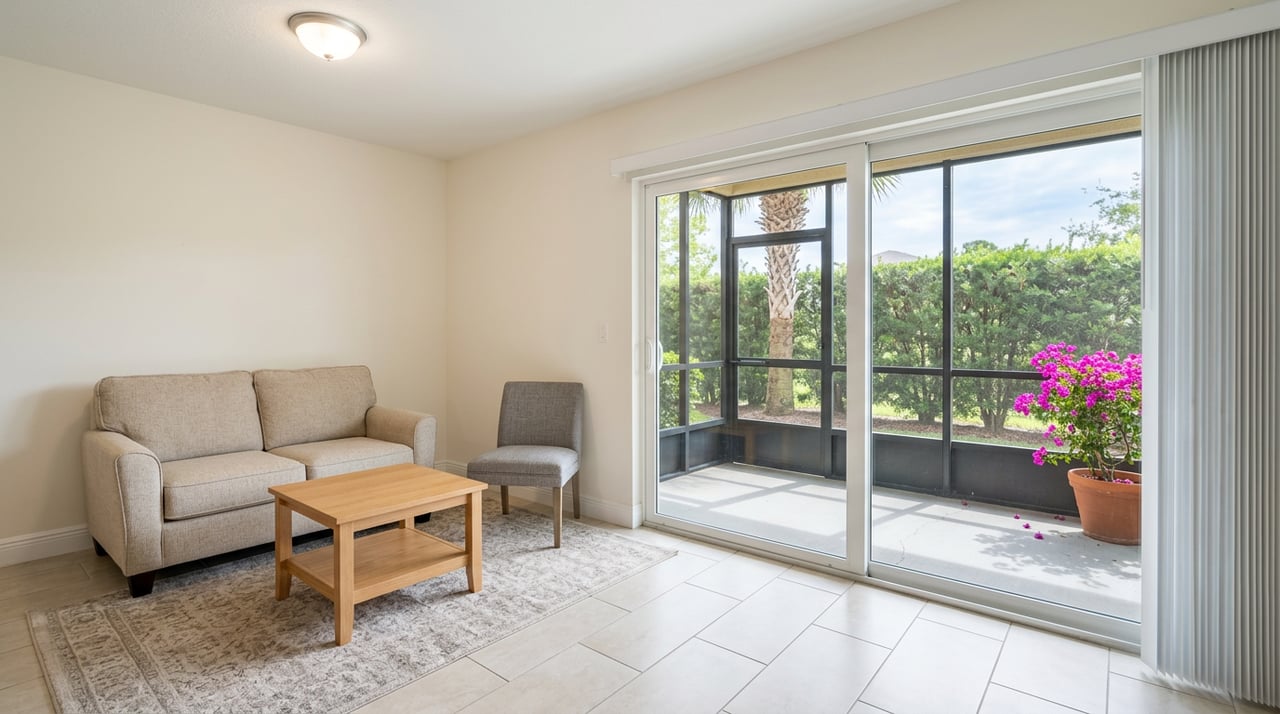
Trying to choose between a condo and a single-family home in Venice, Florida? You are not alone. Both options can work well here, but the right fit depends on your budget, lifestyle, maintenance comfort, insurance and flood exposure, and whether you plan to rent the home at all. In this guide, you will learn how each option stacks up in Venice so you can move forward with clarity and confidence. Let’s dive in.
Venice market snapshot
Recent trackers show Venice’s citywide median sale price hovering around the low $400,000s. That median blends all property types, and the spread is wide based on location and age. Condos range from budget-friendly older units to premium beachfront towers, while single-family homes span from modest inland properties to million-dollar waterfront homes. County reports point to a more balanced market than the frenzy of a few years ago, with longer days on market and more choices for buyers. The regional association has noted periods where condos softened more than single-family, a helpful lens as you compare options. You can review local summary context in the REALTOR Association of Sarasota & Manatee’s market updates at myrasm.com.
What your monthly budget buys
Price ranges to expect
- Condos: Many older or inland condos often list under $200,000, with a large share in the $200,000 to $500,000 range. Newer or beachfront buildings can run from the $700,000s to $1 million or more.
- Single-family homes: A wide set of options list roughly from the mid-$200,000s to $700,000, with renovated, larger, or waterfront homes commonly above $700,000 and into the $1 million range.
These ranges change by season and neighborhood. Use them as a framework, then compare specific addresses and buildings with your agent and lender.
HOA fees explained
For condos, HOA dues are a major line item in your budget. A recent snapshot of Venice listings shows a median HOA near the low-$300s per month where applicable, with examples that range widely from the $200s to $600–$900 or more per month in beachfront or amenity-rich buildings. What you get for those dues varies by association. Typical inclusions can be exterior and roof maintenance, common-area upkeep, landscaping, community pool care, some utilities, management, and the building’s master insurance policy. Always read the HOA’s budget, reserves, and Covenants, Conditions & Restrictions to confirm coverage and rules. High dues may be worth it if they replace costs you would otherwise pay out of pocket.
Property taxes in Sarasota County
Sarasota County’s effective property tax rates are generally around 0.7 to 0.8 percent, depending on the taxing district. On a $400,000 home, that pencils out to roughly $2,900 to $3,200 per year before exemptions. For exact figures, check the parcel’s actual tax bill and any homestead or other exemptions you may qualify for. For county-level tax context, see the Tax Foundation’s overview of effective rates by state and county at the Tax Foundation.
Insurance costs in Florida
Homeowners insurance in Florida is higher than the U.S. average, and premiums vary by coastal exposure, roof age, mitigation features, and claims history. Recent regulatory summaries suggest some stabilization, but coastal owners should still budget carefully and get quotes early. For statewide market context, see Reuters’ 2025 reporting on Florida property insurance trends via TradingView.
- Condo unit policies: You typically carry an HO-6 policy for interior improvements, personal property, and liability. The association’s master policy insures the building exterior and common areas, but coverage type and deductibles vary by building.
- Single-family policies: You carry a full dwelling policy, often HO-3, that covers the structure, personal property, and liability.
Always request the condo association’s insurance summary and confirm master policy type, deductibles, and any recent special assessments. For a useful primer on Florida homeowners insurance dynamics, review this overview at AgentsGather.
Maintenance and the 1 percent rule
If you prefer minimal upkeep, condos reduce exterior maintenance and landscaping in exchange for HOA dues. You still handle interior care and repairs. For single-family homes, a common planning guideline is to set aside about 1 percent of the home’s value per year for routine maintenance, with more for older homes or properties with pools and large yards. You will control when and how work is done, which many owners value. For a quick budgeting reference, see this summary of the 1 percent rule on Entrepreneur.
Flood risk and what it means for you
Flood maps matter in coastal markets like Venice. FEMA’s updated flood maps for the City of Venice took effect on March 27, 2024. If a property lies in a Special Flood Hazard Area, most lenders will require flood insurance, and premiums can vary widely based on elevation, construction, and rating details. Start with the City’s flood zone tools and resources at the City of Venice Flood Zone Information page.
There is also good news. The City of Venice participates in FEMA’s Community Rating System and is classified as a Class 5 community. That typically provides about a 25 percent discount on eligible NFIP flood policies for addresses inside the city limits. That discount can materially change your monthly cost when you compare otherwise similar homes. Learn more at the City’s Floodplain Management page.
Smart steps you can take now:
- Check whether the address is inside city limits or in unincorporated Sarasota County.
- Look up the parcel’s FEMA map designation and request any Elevation Certificate from the seller.
- Get both NFIP and private flood insurance quotes early in your search.
- Confirm lender flood requirements if you plan to finance.
Rentals and rules in Venice
Venice sees steady rental demand thanks to beaches, seasonal visitors, and vacation travel. If you plan to rent, rules are layered and location-specific.
- State level: Florida requires DBPR lodging licensure for short-term rentals under six months.
- County level: Sarasota County requires registration and collection of the Tourist Development Tax on short stays. The tax rate increased to 6 percent effective October 1, 2022, according to county reporting. For background, see the county’s consolidated revenue report hosted on FlipHTML5.
- City level: The City of Venice may have its own requirements inside city limits, and rules can differ from unincorporated county areas.
Important zoning reality: Many single-family zones in unincorporated Sarasota County restrict short-term rentals, while some areas and multifamily zones have different allowances. County leaders have signaled enforcement efforts to curb illegal short-term rentals. For a recent local-government snapshot, review this reporting from the Sarasota News Leader.
Practical differences by property type:
- Condos: Many buildings allow rentals but set minimum lease terms, cap rental frequency, or restrict short stays. Beach-proximate buildings often command better seasonal rates but also carry higher dues and stricter rules. Read the HOA’s rental policy before you model returns.
- Single-family: Rules vary widely by address and zoning. If you hope to run a short-term rental, verify local code first, then confirm any HOA rules for that neighborhood.
Financing and resale outlook
Condo financing basics
Financing a condo can involve an extra step. Many loan programs require that the condominium project meet specific standards. FHA and VA loans, for example, often require project approval or single-unit approval under set criteria. That affects who can buy and can influence marketability. To understand how project approvals work, review FHA’s guidance at HUD.gov.
Single-family tends to be simpler
Detached homes do not need condo project approval, so FHA, VA, and conventional financing are usually more straightforward. If you plan to use government-backed financing and want maximum flexibility, single-family can be the easier lane.
Resale considerations
Older or 55-plus condo communities in Venice often attract retirees and second-home buyers, while single-family homes tend to appeal to a broader pool that values yards, garages, and privacy. That said, a well-located condo near the beach can be very liquid in-season. In any case, your best resale hedge is a clean inspection record, strong association financials for condos, and well-documented maintenance for single-family homes.
Decision checklist for Venice buyers
Use this checklist to compare a condo and a single-family home side by side. Assign each line a High, Medium, or Low priority for you.
- Budget and monthly payment
- Add up mortgage, HOA dues, insurance, taxes, and maintenance. Condos shift more cost to HOA dues. Single-family shifts more to maintenance and insurance.
- Maintenance comfort
- Prefer lock-and-leave living with minimal yard work and exterior upkeep. A condo may fit best.
- Want a yard, garage, and control over exterior upgrades. A single-family may be right.
- Location and walkability
- Venice Island and downtown areas are more condo-dense and walkable. Inland neighborhoods skew toward single-family homes and larger lots.
- Rental plans
- If you plan to rent, confirm zoning, registration, and taxes, plus HOA rental rules. Budget for the 6 percent Tourist Development Tax on short stays and state sales tax on top.
- Flood exposure
- Check the FEMA map, request an Elevation Certificate, and get quotes early. Confirm whether the City’s CRS discount applies to your address.
- Financing needs
- Using FHA or VA on a condo. Confirm project approval status before you write an offer. Single-family typically avoids this extra hurdle. See HUD.gov for program details.
- HOA diligence for condos
- Request the budget, reserve study, insurance declarations, meeting minutes, litigation disclosures, and a history of special assessments.
- Inspection and contingency strategy
- Use robust inspections. Pair them with time to obtain insurance and flood quotes before you clear contingencies.
Which one is right for you?
- Choose a condo if you want simple living, enjoy shared amenities, prefer predictable exterior maintenance costs, and like a lock-and-leave setup. Just confirm dues, reserves, and any special assessment history.
- Choose a single-family home if you want a yard, garage, and full control of improvements, and you are comfortable budgeting for roof, exterior, and landscaping care over time.
- If you plan to rent, let the rules guide you. A condo near the beach can perform well seasonally if the association allows frequent rentals. If your property sits in a zone that restricts short stays, consider a long-term lease strategy or focus on a condo community that permits your intended rental cadence.
Buying in a coastal market takes a clear plan. If you want a second home, a retirement base, or you are relocating and comparing options in Florida and Maryland, our team can help you make a smart, low-stress move with a clear cost picture and strong contract protections. When you are ready to talk strategy, reach out to Katie Nicholson to get started.
FAQs
What are typical HOA fees for Venice condos?
- Many Venice condos publish dues in the low hundreds per month, with examples commonly in the $200s to $600–$900+ range for beachfront or amenity-heavy buildings. Always review the budget and reserves to see what those dues cover.
Do I need flood insurance for a Venice home?
- If your lender determines the home is in a Special Flood Hazard Area, flood insurance will be required. FEMA updated the City of Venice flood maps on March 27, 2024, so check your parcel’s zone at the City’s Flood Zone Information page before you buy.
Can I use FHA or VA financing to buy a Venice condo?
- Sometimes. The condo project must meet program standards or have approval, or you may qualify for single-unit approval. Confirm status with your lender early and review FHA guidance at HUD.gov.
Can I run a short-term rental in a Venice property?
- It depends on your address and zoning, plus HOA rules. Florida requires licensure for rentals under six months, Sarasota County requires Tourist Development Tax on short stays, and enforcement varies. For local context on county enforcement, see the Sarasota News Leader, and review TDT background in the county’s report on FlipHTML5.
How do condo and single-family insurance costs compare in Venice?
- Condo owners often carry an HO-6 policy for interiors while the association insures the building exterior. Single-family owners insure the whole dwelling. Premiums vary by coastal exposure, roof age, and mitigation features. For statewide context, review this Florida insurance overview at AgentsGather and check whether the City’s CRS Class 5 discount can reduce NFIP flood premiums at your address.