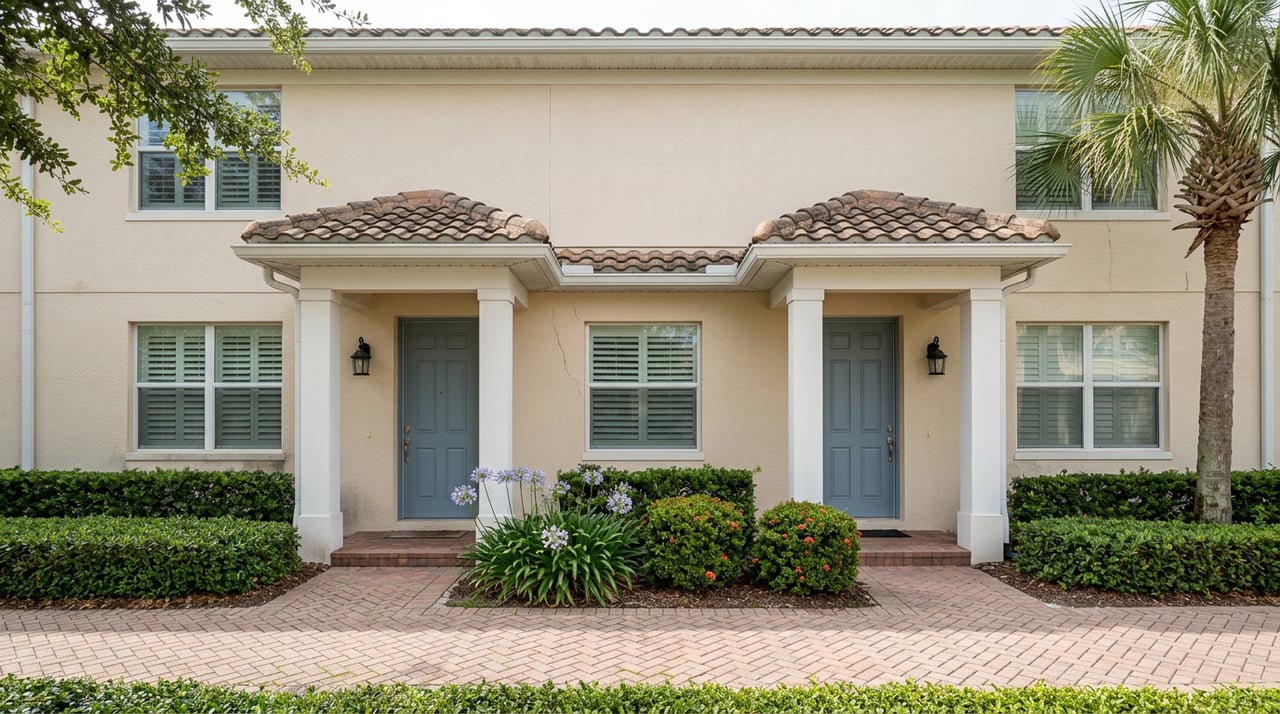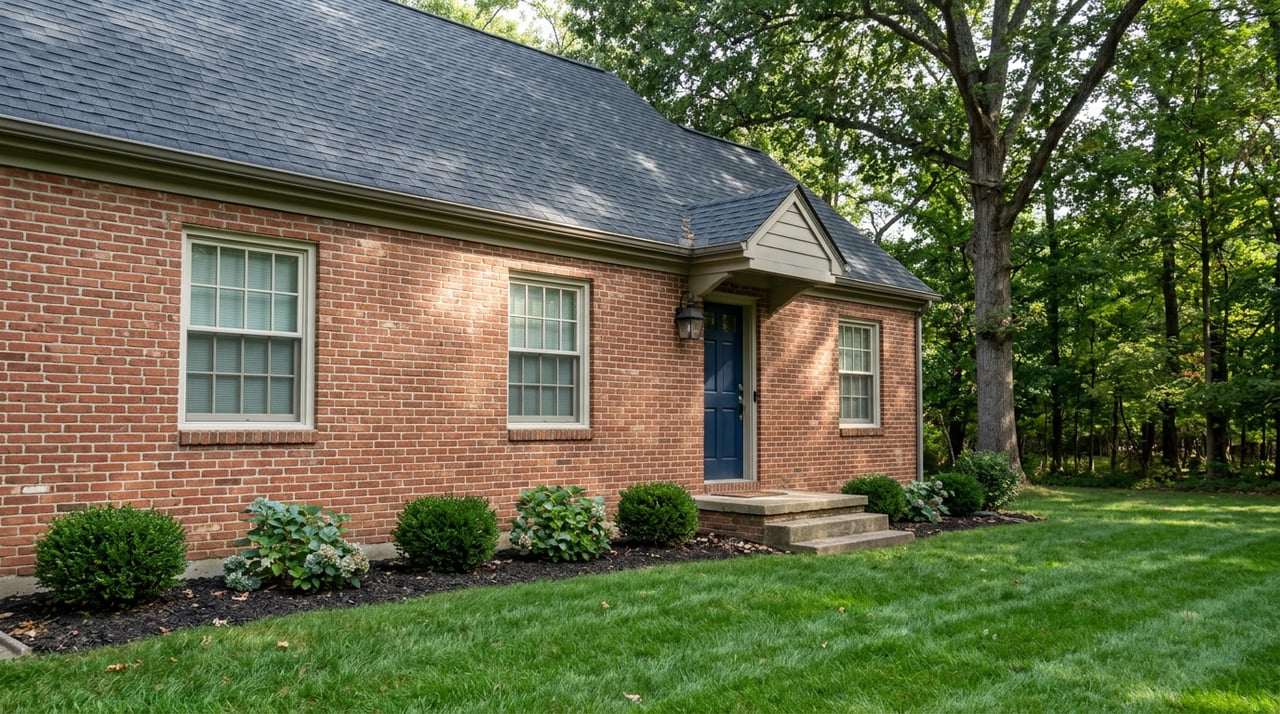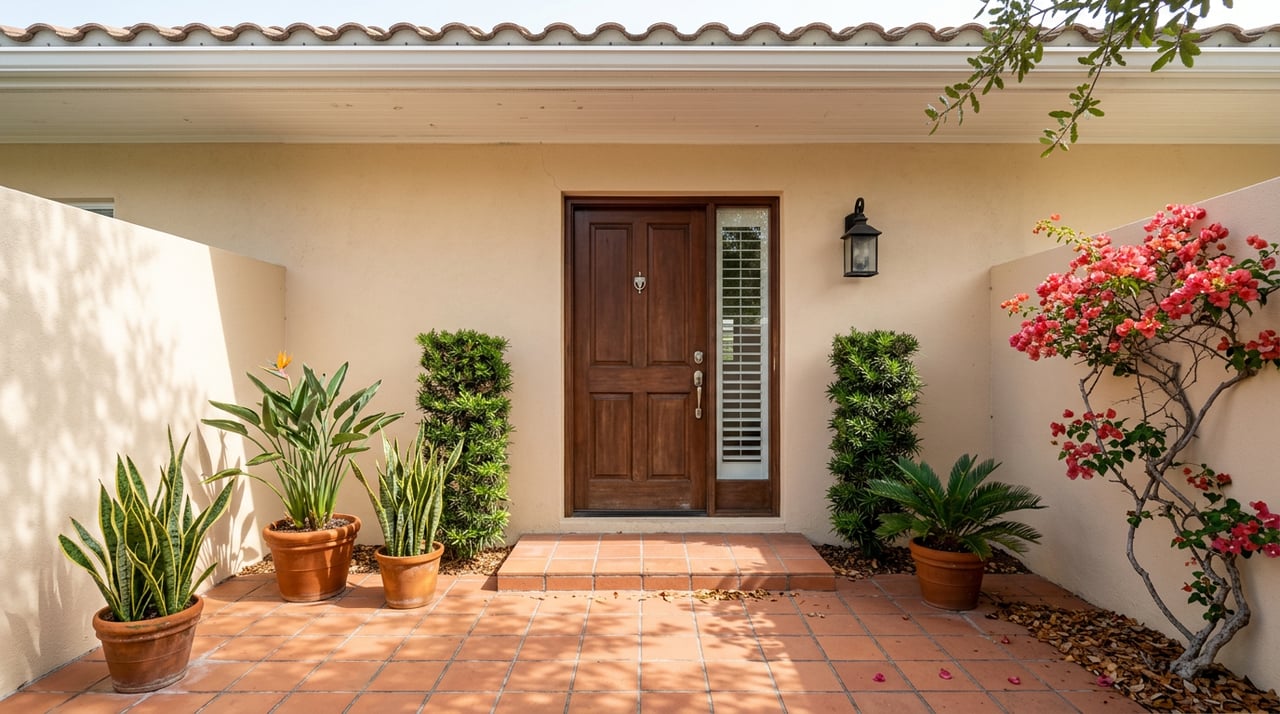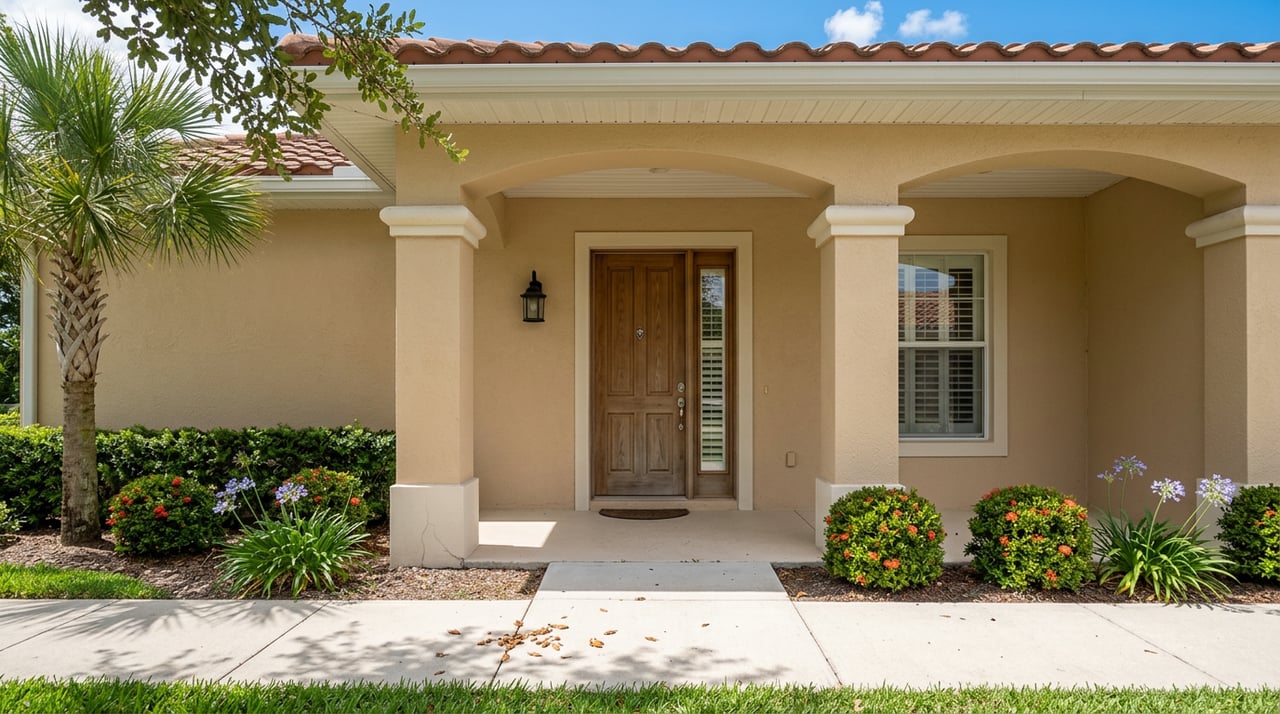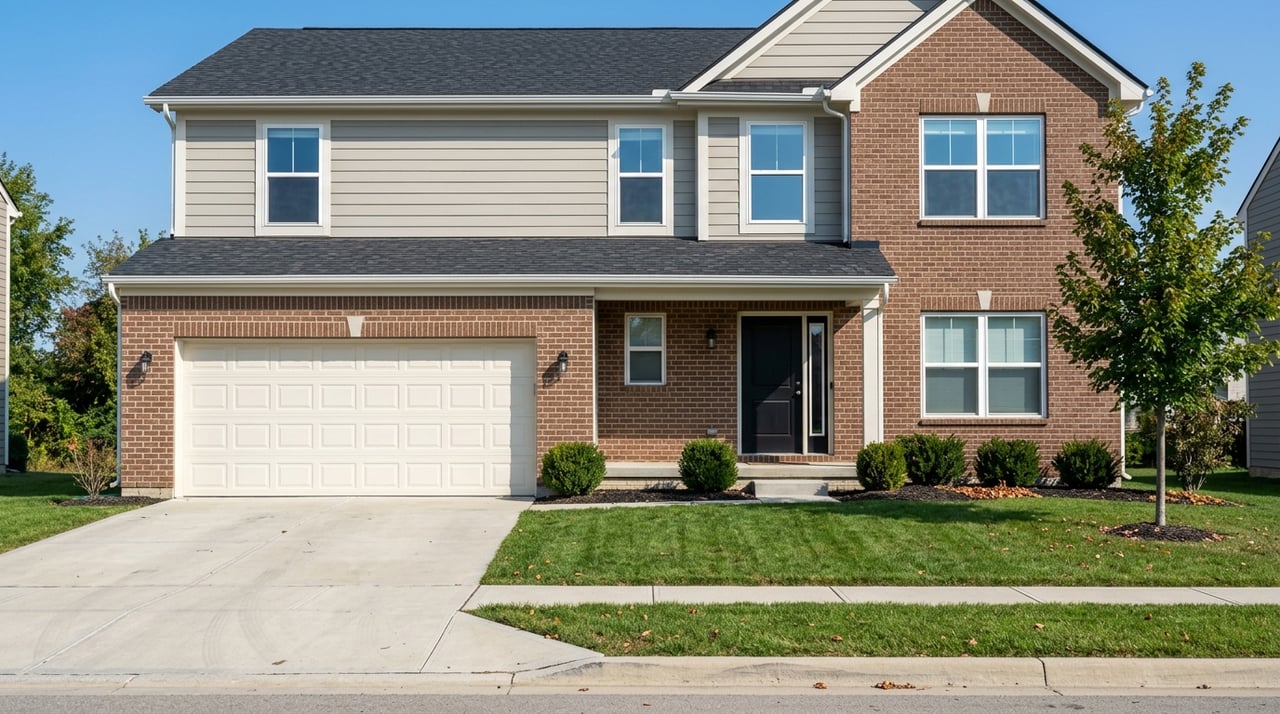
Trying to choose between a brand-new home and an existing one in New Market, MD? It is a common question, especially in a market where you can find newer planned-community homes, established properties with mature landscaping, and even larger lots with no HOA. The right choice depends on how you want to live, how soon you need to move, and what costs matter most to you. Let’s break down what new construction vs. resale homes really look like in New Market.
New Market’s Housing Snapshot
New Market has a relatively recent housing stock compared with many other towns. According to the Maryland ACS profile for New Market, the town has 477 housing units, and roughly two-thirds were built in 2000 or later.
That newer housing base helps explain why both new construction and resale homes can feel competitive here. The same ACS profile reports that 96.6% of homes are owner-occupied, with a median owner-occupied value of $639,100, which gives you a sense of the market’s price point.
What New Construction Looks Like
If you are shopping for new construction in New Market, you are not looking at just one type of home. Current search results show a mix of condos, attached homes, and detached homes, with Zillow’s new-home search in New Market showing options from about $325,990+ up to $1,425,000.
That range matters because “new construction” can mean very different things depending on your budget and goals. It could mean a lower-maintenance condo-style option, or it could mean a larger detached home with more space and more customization.
A current example is 6804 Oakledge Ct, listed as new construction at $775,000 for 4 bedrooms, 2.5 bathrooms, and 2,071 square feet on a 9,583-square-foot lot. The listing notes that the home is to be built, with buyer choices on finishes or plan modifications, plus HOA dues of about $52 per month.
New Construction Pros
New construction often appeals to buyers who want a more current design, newer systems, and fewer immediate repair concerns. It can also offer more personalization, especially when you get in early enough in the process.
According to the National Association of Realtors consumer guide on building a new home, buyers may be able to tailor the home more fully when building from land. Realtor.com’s new construction guide also notes that early-stage spec homes may still allow choices like flooring, cabinets, lighting, and countertops.
Another advantage is energy performance. Frederick County requires new residential construction to comply with the 2021 IECC, which generally means newer homes start with a more modern efficiency baseline for insulation, windows, and mechanical systems.
New Construction Tradeoffs
The biggest tradeoff is usually time. If the home is not complete, you may need to wait longer than you would with a resale home.
Realtor.com’s guide to buying new construction says quick-move-in spec homes are often ready in about three months, while a build-from-scratch home averages about 6.5 months in that guide. NAR notes that a custom home design phase can take 3 to 6 months, with construction often taking at least 12 to 16 months.
Costs beyond the price tag also deserve a close look. In planned communities, fees can include HOA dues, transfer fees, and other one-time charges.
For example, Lake Linganore’s fee information shows a fee structure that can include a $1,000 community improvement fee when an improved lot sells, a $75 transfer fee, and for new houses a $750 fee, a $3,000 road impact fee, and a $10,000 security deposit. These are community-specific fees, but they show why you should review the full cost structure carefully.
What Resale Homes Look Like
Resale homes in New Market can be much more varied than many buyers expect. Depending on the property, you may find an established community setting, more land, mature trees, or no HOA at all.
A good example is 10807 Old National Pike, listed at $549,000. It was built in 1969, sits on 0.49 acres, has no HOA fees, and the listing highlights updates including HVAC replaced in 2022, a new well pump in 2024, and a newer water heater.
Another example is 6806 Forest Park Ct, a resale home in Lake Linganore listed at $715,000. It was built in 1988, sits on a 10,713-square-foot lot, carries $222 per month in HOA dues, and features updated, move-in-ready living in an established setting.
At the larger-lot end of the market, 6501 Green Valley Rd shows how resale can also mean significantly more acreage. That home, built in 1972, sits on 3.76 acres with no HOA.
Resale Pros
Resale homes often work well if you want to move sooner, compare a wider mix of lot sizes, or avoid the uncertainty of a build timeline. In New Market, resale may also give you access to larger parcels or established landscaping that would be harder to find in some newer communities.
You may also find overlap in pricing between resale and new construction. That is important because resale is not automatically the lower-cost option, and new construction is not always the premium choice.
Resale Tradeoffs
With resale, condition matters more from one property to the next. Some homes are updated and move-in ready, while others may need repairs, cosmetic work, or system upgrades.
The NAR consumer guide to home inspections explains that inspections look at major systems and components such as the roof, structure, plumbing, electrical, HVAC, and insulation. The guide also notes that inspections can identify issues like mold, radon, lead paint, or asbestos, which is why resale buyers should think carefully about inspection contingencies and repair negotiations.
New Construction vs Resale at a Glance
Here is a simple way to compare the two in New Market:
| Factor | New Construction | Resale |
|---|---|---|
| Timeline | May require months of waiting | Often available sooner |
| Customization | Usually higher, especially early | Usually limited to post-closing updates |
| Energy baseline | Newer code standards | Varies by home and updates |
| HOA likelihood | Common in planned communities | Can be HOA or no-HOA |
| Lot size | Often smaller in newer communities | Can range from compact lots to acreage |
| Upfront repair risk | Typically lower | Varies based on age and condition |
How Energy Efficiency Fits In
New construction has a clear head start on efficiency because of current code requirements. That can mean better insulation, windows, and system performance from day one.
But that does not mean resale homes should be ruled out. The Maryland Energy Administration’s homeowner incentives page explains that homeowners may be able to access federal, state, utility, and local incentives for upgrades, including a federal 25C tax credit of up to $3,200 annually, low-interest loan programs, and Frederick County’s Power Saver Retrofits Program.
If you are open to improvements over time, an older home may still become a strong long-term fit. The better question is whether you want efficiency built in now or are comfortable creating it through upgrades later.
Which Option Fits You Best?
New construction may be the better fit if you want a more predictable new-home feel, modern finishes, and the chance to personalize some design choices. It can also make sense if you are comfortable with HOA structures and do not need to move right away.
Resale may be the better fit if you want more land, faster occupancy, a wider range of community types, or the possibility of avoiding HOA fees. In New Market, resale can include everything from established planned-community homes to larger no-HOA properties on nearly half an acre or more.
The key is to compare the full picture, not just the list price. Timeline, fees, lot size, condition, customization, and long-term maintenance all matter.
If you are weighing new construction vs. resale homes in New Market, a local strategy can save you time and help you avoid expensive surprises. The team at Katie Nicholson can help you compare communities, understand the true cost of each option, and narrow your search with a white-glove approach that keeps the process clear and low-stress.
FAQs
Are new construction homes in New Market always in an HOA?
- No. But planned communities in the New Market area, including Lake Linganore, clearly have HOA and community-related fees, so you should review each property’s fee structure carefully.
Is a resale home in New Market always cheaper than new construction?
- No. Current examples in New Market show overlap, with both resale and new construction homes ranging from the mid-$500,000s into the $700,000s and higher.
Can you inspect a new construction home in New Market?
- Yes. Buyers should still order an inspection and complete a final walk-through before closing, even with a newly built home.
Can you customize a new build in New Market?
- Usually yes, but the amount of customization depends on the stage of construction. Early-stage homes generally offer more flexibility than quick-move-in or completed homes.
Are older resale homes in New Market less energy efficient?
- Not always. New homes start with a newer code baseline, but resale homes can be improved through upgrades, and Maryland offers incentives that may help offset some efficiency costs.