Moving to a new town from another state can feel like trying to solve a puzzle without seeing the full picture. You want a home that fits your budget and lifestyle, but you also need clear answers about timing, closing, and what day-to-day life in New Market might actually look like. This step-by-step guide will help you plan your move with more confidence, avoid common surprises, and understand the local details that matter most. Let’s dive in.
Why New Market Appeals to Relocators
New Market offers a small-town setting with practical access points that matter when you are moving from out of state. The town is an incorporated Frederick County community with a population of 1,525 as of the 2020 census, and its historic district has been listed on the National Register of Historic Places since 1975, according to the Maryland State Archives.
For many buyers, the appeal is the balance. The Town of New Market describes downtown as a walkable Main Street with free parking and convenient access to I-70, while Visit Frederick highlights the area’s historic National Road character, antiques, and local attractions. If you are relocating, that mix can make New Market worth a closer look.
Step 1: Get Preapproved First
Before you schedule video tours or plan a house-hunting trip, get your financing lined up. The Consumer Financial Protection Bureau says a preapproval letter helps you shop with a clear budget and shows sellers you are serious.
This step is especially important when you are moving from out of state because distance can make it easier to fall in love with homes that do not fit your numbers. A preapproval gives you a realistic offer range and helps you move faster when the right property appears.
If you also need to sell your current home first, your timeline may need extra planning. Depending on your situation, options may include temporary housing, a rent-back, bridge financing, or a sale contingency. The best path depends on your finances and your moving schedule.
Step 2: Decide What Type of New Market Home Fits You
New Market is not a one-note market. As you narrow your search, it helps to think about what kind of setting best fits your goals.
You may be drawn to:
- A home near the walkable Main Street area
- A property within the historic core
- A newer home in the broader New Market area
- A location with quick access to I-70 for commuting or regional travel
This is where local context matters. A buyer looking for charm and historic character may want something very different from a buyer focused on newer construction or easier exterior maintenance. Having a clear picture of your priorities makes the search much more efficient.
Step 3: Scout Remotely With Specific Addresses
When you are relocating, broad impressions are not enough. You need address-level details.
Remote scouting works best when you combine live video walkthroughs, floor plans, aerial views, and direct verification of the property’s location and features. In a town like New Market, it is smart to compare the Main Street core with nearby residential areas so you understand the difference between historic-town living and other housing pockets with easier highway access.
For buyers with school-related questions, avoid assumptions based on subdivision names or general online comments. Frederick County Public Schools recommends using its address-based school feeder lookup tool to verify attendance areas. The current 2025-26 feeder guide places New Market Elementary and New Market Middle in the Linganore High feeder pattern, but the district still advises buyers to confirm by address.
Step 4: Understand Historic District Rules Early
If you are considering a home in New Market’s historic district, be sure to ask about renovation limits before you buy. That does not mean historic homes are off limits. It simply means you should know the rules before making plans.
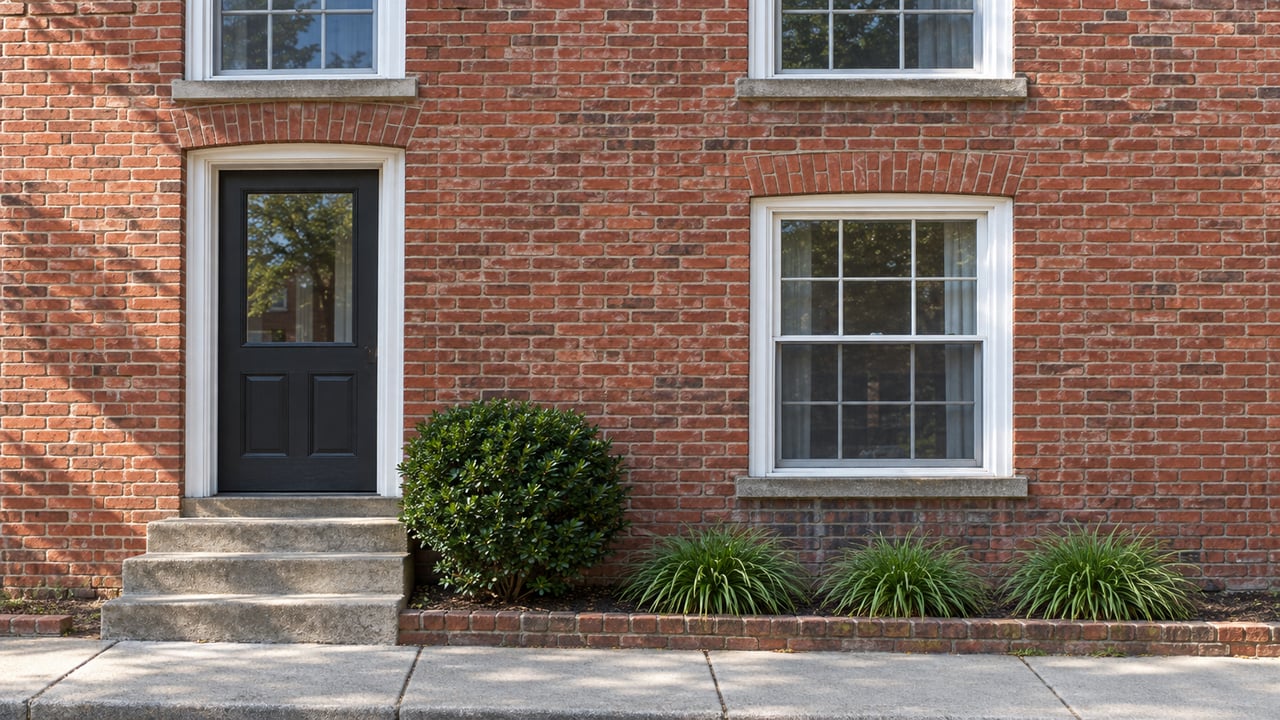
According to the town’s Historic District Commission / Architectural Review Commission information, exterior changes may require review. That can include items such as roofing, siding, windows, doors, fencing, landscaping, decks, patios, porches, garages, shutters, and even some color changes.
For the right buyer, that oversight is part of what helps preserve the town’s character. But if your plan involves major exterior updates, you will want to factor that into your decision from the start.
Step 5: Read the Market With Caution
One of the hardest parts of relocating is making sense of online market data. In a smaller town like New Market, snapshots can vary quite a bit.
For example, Redfin’s New Market housing market page reported a March 2026 median sale price of $760,000, 49 days on market, and only one home sold. Zillow’s home value index, cited in the research, was $595,360, up 1.9% year over year. Because the sample size is small, a single month does not tell the whole story.
The takeaway is simple: do not rely on one headline number. If you are relocating, it is more useful to evaluate current listings, recent comparable sales, and the specific property type you want than to treat one town-wide figure as a universal benchmark.
Step 6: Move Quickly on Inspections
Once you are under contract, the process becomes more time-sensitive. The CFPB’s home inspection guidance recommends scheduling an independent inspection as soon as possible so you have time to evaluate the home and order any additional inspections if needed.
This is a key step for out-of-state buyers because response deadlines can move fast. If inspection issues come up, you may need to make repair requests, negotiate credits, or decide whether to move forward, often within a short window.
It also helps to remember that an inspection and an appraisal are not the same thing. Both are often part of the transaction, but they serve different purposes.
Step 7: Prepare for Closing Costs and Ownership Costs
Your mortgage payment is only part of the budget. Before closing, make sure you understand the transaction costs and the ongoing local costs tied to ownership in New Market.
According to the Frederick County Circuit Court recording fees information, the state transfer tax is 0.5% of consideration, and first-time Maryland homebuyers may qualify for a 0.25% rate. The same source lists Frederick County recordation tax at $7 per $500 of consideration, and notes that Frederick County does not impose a county transfer tax.
In addition, Frederick County’s 2025-2026 tax rates include a New Market municipal real property tax rate of 0.12 per $100 of assessed value. In practical terms, that means you should budget for transfer and recordation charges at closing, plus property taxes, insurance, and routine ownership costs after you move in.
Step 8: Review the Closing Disclosure Carefully
A few days before closing, you will receive one of the most important documents in the transaction. The CFPB explains that lenders must provide the Closing Disclosure at least three business days before scheduled closing.
Use that review period to compare the Closing Disclosure with your earlier Loan Estimate. Check the loan amount, interest rate, closing costs, and cash to close. For an out-of-state buyer, this fixed review window matters even more because there is less room to correct last-minute surprises once funds are on the move.
Step 9: Ask About Remote Signing Options
If you cannot be in Maryland for every closing-related step, ask early about remote options. The Maryland Secretary of State states that remote online notarization has been legal in Maryland since October 1, 2020.
That can make remote signing much easier for out-of-state buyers. Still, your lender and title company will determine what is allowed for your specific transaction, so it is best to confirm the process as soon as your contract is in place.
Step 10: Finish the Move With a Clean Transition Plan
A smooth relocation is not just about getting to the closing table. It is also about making the handoff into your new home feel organized.
The USPS Change of Address basics say your mail is forwarded only if you file a Change of Address request. USPS also recommends notifying senders at least two weeks before moving, and notes that forwarded mail usually begins arriving within 7 to 10 postal business days and can continue for up to 12 months for most First-Class mail.
USPS also specifically recommends updating your information directly with:
- Utility providers
- Internet providers
- Phone or cable providers
- The IRS
- Insurance providers
- DMV
- Banks
- Credit card companies
A written checklist can make this final stretch much easier, especially if you are coordinating the move from another state.
A Simple Relocation Checklist
If you want to keep the process manageable, focus on these milestones in order:
- Get preapproved and define your budget.
- Decide what type of New Market home fits your goals.
- Scout remotely using live tours and address-level research.
- Verify school attendance areas by address if needed.
- Check whether a property is in the historic district.
- Move quickly on inspections once under contract.
- Budget for closing costs, taxes, and ownership expenses.
- Review your Closing Disclosure carefully.
- Confirm remote signing options if you need them.
- Set up mail forwarding and utility transfers before move-in.
Relocating to New Market does not have to feel overwhelming when you break it into steps and get the right guidance early. If you want a local team to help coordinate remote tours, timing, and next steps with a concierge approach, connect with Katie Nicholson to start your move with more clarity and less stress.
FAQs
Which school will my child attend in New Market?
- Use the Frederick County Public Schools address lookup tool to verify the assigned schools for a specific property. The current feeder guide places New Market Elementary and New Market Middle in the Linganore High pattern, but FCPS recommends confirming by address.
What should I know about buying a historic home in New Market?
- If the home is in the historic district, exterior changes may require review by the town’s commission, including items such as roofing, siding, windows, fencing, decks, porches, and landscaping.
How competitive is the New Market housing market right now?
- Market data can look uneven because New Market is a small town. Recent sources showed different price figures, so it is best to treat broad snapshots as indicators and review the latest property-specific data before making a decision.
Can I close on a New Market home while living in another state?
- Yes, in many cases. Maryland allows remote online notarization, which can make signing easier for out-of-state buyers, although your lender and title company will control the final closing process.
What closing costs should I expect when buying in New Market, Maryland?
- You should plan for items such as state transfer tax, Frederick County recordation tax, and ongoing ownership costs like property taxes, insurance, and other regular housing expenses.