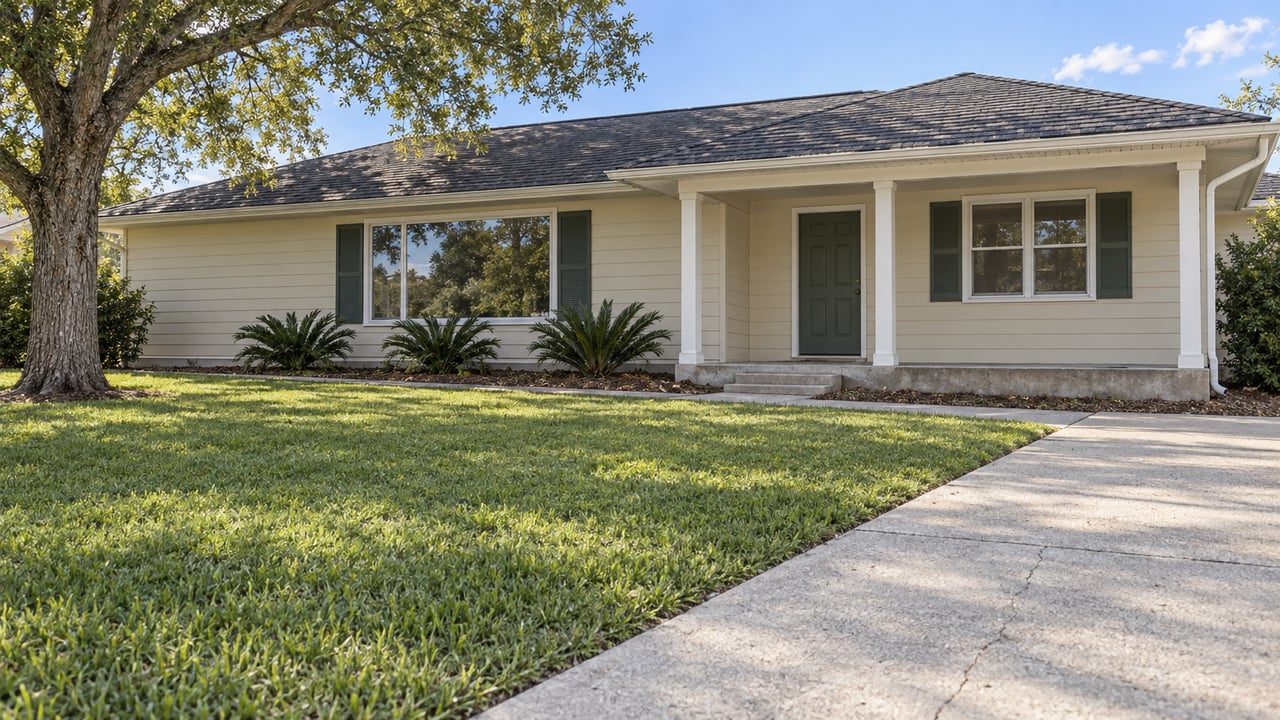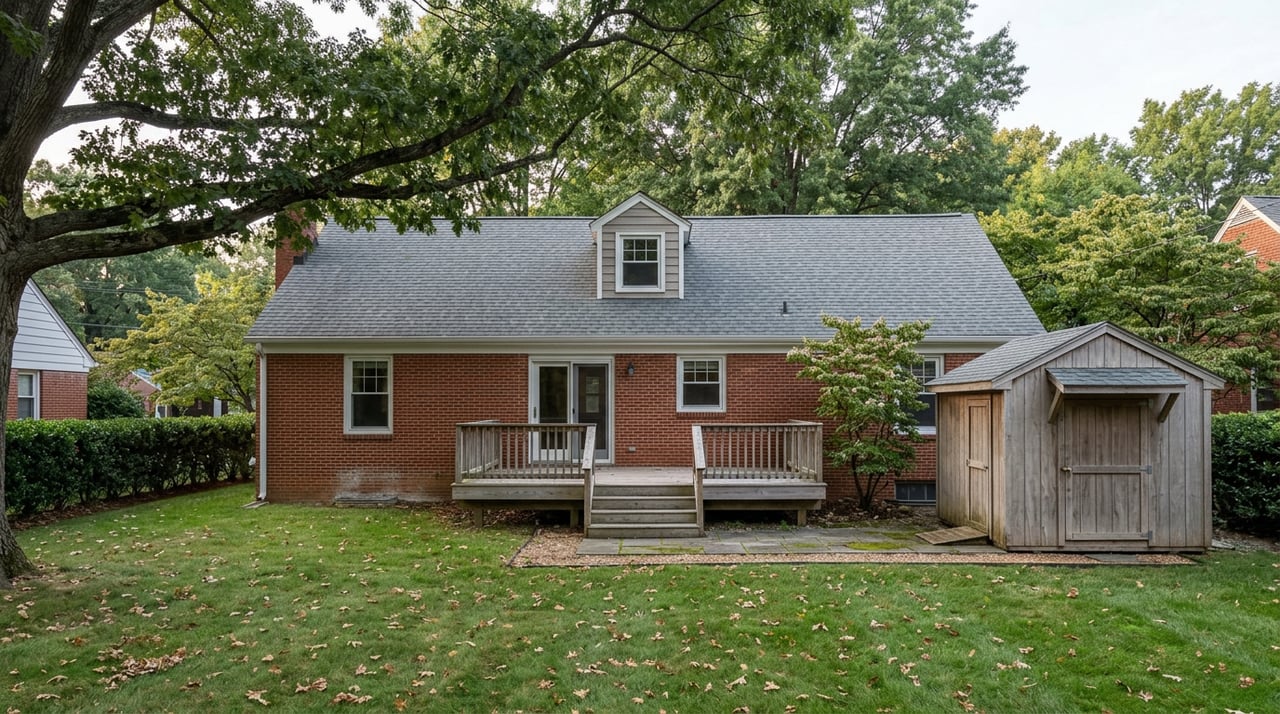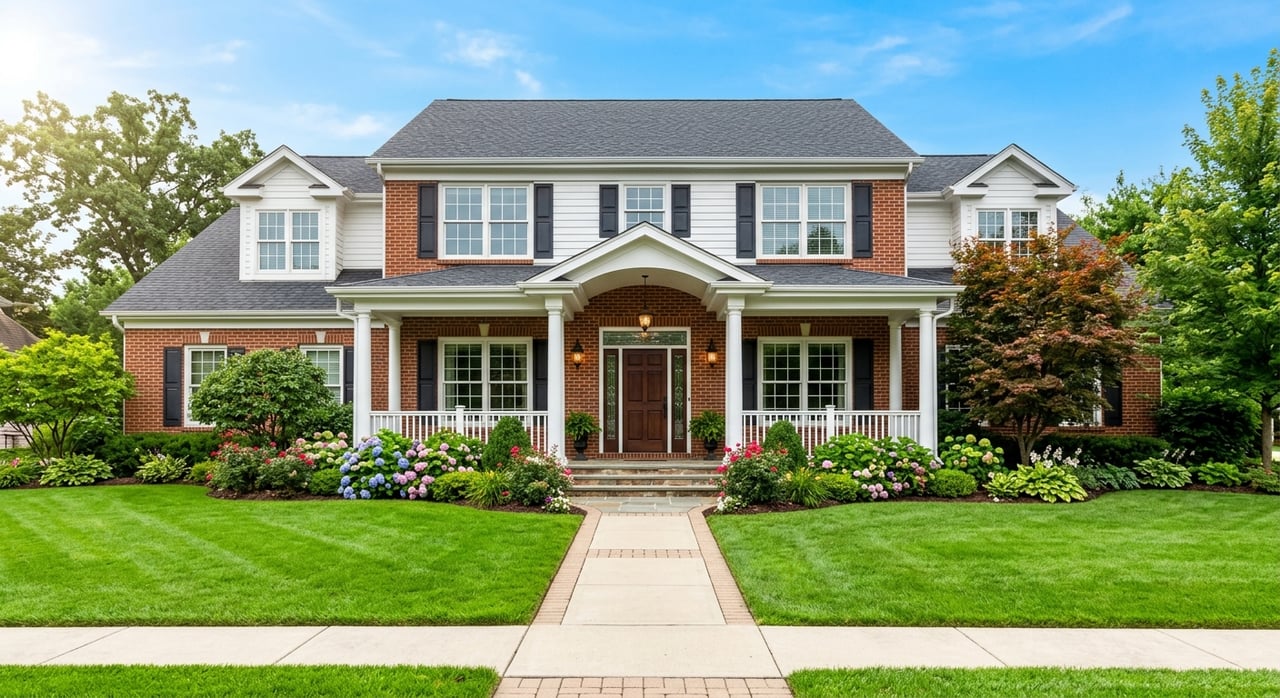
Thinking about buying in Ijamsville? The biggest mistake you can make is assuming every home here offers the same lifestyle. In reality, Ijamsville can vary a lot from one address to the next, which is why a smart home search starts with more than just the listing photos. This guide will help you understand what to check, what questions to ask, and how to compare properties with confidence. Let’s dive in.
Ijamsville Is Not One Simple Market
One of the most important things to know before buying in Ijamsville is that it is not a one-size-fits-all housing market. Frederick County planning materials describe parts of Ijamsville as village-center areas with historically established mixed residential and commercial uses, while other parts reflect rural community patterns with more limited development.
That means two homes with an Ijamsville mailing address can offer very different ownership experiences. One may feel like a newer planned community, while another may sit in a lower-density setting with more land and fewer shared amenities. If you are comparing listings, it helps to treat the address as a starting point, not the full story.
County records also show that parcel details can vary even when the mailing address looks similar. In one 2025 Frederick County Board of Appeals case, an Ijamsville property was listed with the Urbana planning region, R1 Low Density Residential zoning, and NPS/NPS water and sewer status. For you as a buyer, that is a reminder to verify the specific parcel details before assuming the home fits a familiar neighborhood pattern.
Lot Sizes Can Vary A Lot
Ijamsville includes both compact-lot planned communities and much larger residential parcels. That range can have a big impact on how you live in the home and what kind of upkeep you take on.
In the Preserve at Long Branch PUD, Frederick County staff described 147 single-family detached homes on 80.29 acres. Lot sizes there ranged from 5,408 to 9,639 square feet, with an average lot size of 6,553 square feet. The same report noted 49.73 acres of open space and green area maintained by the HOA, with streets dedicated to Frederick County as public streets.
On the other end of the spectrum, some Ijamsville-area properties are much larger. County planning documents for The Manor at Holly Hills describe existing single-family lots ranging from 1.20 to 26.60 acres, with an average lot size of 7.40 acres. Other county cases have described nearby properties as being in older developments where most homes are 1 acre or more.
That difference matters because lot size changes more than yard space. It can affect privacy, mowing and landscaping needs, driveway maintenance, drainage, snow removal, and how much of your time and budget goes toward the land itself.
HOA And Non-HOA Living Feel Different
Another key part of buying in Ijamsville is understanding whether the home is in an HOA and what that HOA actually handles. In some communities, association living is a major part of the ownership experience.
For example, the Day’s Range community identifies itself as a homeowners association site and notes that it serves as a hub for updates, community news, dues payments, and architectural reminders. In planned developments like Preserve at Long Branch, county materials also show that open space and green areas may be owned and maintained by the HOA.
For some buyers, that setup is a plus. Shared maintenance and more consistent neighborhood appearance can make day-to-day living feel more predictable. At the same time, HOA living can also mean dues, design rules, and added oversight.
In more rural-feeling or larger-lot parts of Ijamsville, the tradeoff may be the opposite. You may have fewer association rules, but more direct responsibility for the property. That can include land maintenance, tree care, driveway upkeep, and managing private utility systems.
Utility Setup Deserves Close Attention
In Ijamsville, utility status is not a small detail. It can shape your inspection plan, maintenance costs, and long-term ownership responsibilities.
Frederick County health and planning materials show that some Ijamsville properties rely on private wells and septic systems instead of public water and sewer. The county’s Well & Septic program handles well permitting, soil evaluations, percolation tests, septic design and inspection, and septic pump-out guidance. County Water & Sewerage Plan materials also show that water and sewer classifications help determine whether public service is available or expected in the future.
That matters because a home on private systems may need a different level of due diligence than one on public utilities. If a property is listed with No Planned Service or NPS/NPS status, you should understand what that means for current maintenance and future planning.
Before you move forward on a property, make sure you know:
- Whether the home is on public water and sewer or private well and septic
- What inspections are appropriate for the utility setup
- Whether the parcel has any water or sewer classification details that affect service expectations
- What routine maintenance the owner is responsible for
Site Conditions Matter More Than You May Think
When buyers picture a home search, they often focus on bedrooms, kitchens, and finishes. In Ijamsville, the site itself can be just as important as the house.
Frederick County planning reports for Ijamsville-area projects describe conditions such as rolling topography, steep slopes, wetlands, floodplain, intermittent streams, and waterbody buffers on some parcels. Those features do not affect every home the same way, but they can shape how usable the lot feels and what maintenance may come with it.
A beautiful yard on paper may include areas that are sloped, buffered, or harder to use than expected. Drainage patterns, tree cover, driveway design, and grading can all influence your day-to-day experience. If you are buying in winter, you may also want to think about snow removal and access on a property with elevation changes.
Road conditions and future infrastructure can matter too. Frederick County’s Reichs Ford Road improvement project, between Bartonsville Road and Ijamsville Road, cites sharp curves, limited sight distance, two one-lane bridges, and stream-bank encroachment as reasons for planned roadway work. While that does not apply equally to every property, it is another reason to look beyond the house itself and consider how the surrounding area functions.
How To Compare Ijamsville Listings Smarter
Because Ijamsville includes several different property types and ownership experiences, it helps to compare homes with a more detailed checklist. A listing that looks similar online may feel very different once you verify the lot, utilities, and community structure.
Here are some practical questions to ask during your search:
- Is the property in an HOA, and what does the HOA maintain?
- Are the roads public or privately maintained?
- Is the home on public utilities or private well and septic?
- How much of the lot is actually usable yard space?
- Are there slopes, buffers, easements, or stormwater areas affecting the site?
- Does the parcel sit in a village-center, low-density residential, or rural-residential context?
- Do the mailing address, planning region, and neighborhood identity all match county records?
These questions can help you move from “I like the house” to “I understand what I’m buying.” That is especially important in a market like Ijamsville, where the ownership experience can shift from one street to the next.
What This Means For Your Home Search
If you are buying in Ijamsville, the goal is not just to find a home you like. The goal is to find a property that fits your budget, maintenance comfort level, and long-term plans.
Some buyers want the structure and shared upkeep of a planned community. Others prefer more land, fewer rules, and a more independent setup. Neither is automatically better. The right fit depends on how you want to live and what responsibilities you are comfortable taking on.
That is where local guidance can make a real difference. When you understand the parcel details, utility setup, and site conditions early, you can make cleaner comparisons and avoid surprises later in the process.
If you are exploring homes in Ijamsville and want a clearer picture of how each property compares, Katie Nicholson can help you evaluate the details that matter most and guide you through the process with a local, concierge-level approach.
FAQs
What should buyers know about lot sizes in Ijamsville?
- Lot sizes in Ijamsville can range from compact planned-community lots to multi-acre parcels, so you should compare not just the home, but also the yard size, privacy, and maintenance needs.
What should buyers ask about utilities in Ijamsville?
- You should ask whether the home uses public water and sewer or private well and septic, and what inspections or ongoing maintenance may come with that setup.
What should buyers know about HOAs in Ijamsville?
- Some Ijamsville communities have HOAs that may handle open space, community updates, dues, and architectural guidelines, while other properties may have little to no HOA involvement.
What should buyers check about land and site conditions in Ijamsville?
- Buyers should look at slope, drainage, wetlands, floodplain, buffers, tree cover, and usable yard area because site conditions can affect maintenance and how the property functions.
What makes one Ijamsville property different from another?
- Properties with the same Ijamsville mailing address can differ in lot size, zoning context, planning region, utility status, and community structure, so parcel-specific verification is important.